google.com, pub-8985115814551729, DIRECT, f08c47fec0942fa0 Free Printable Lesson Plans: 2023

Active learning vs. Passive watching: building lesson plans that engage students


Hello Omifans! I've been teaching in one form all my adult life through a spectrum of teaching styles and theories. And one thing that has never changed, though it is seems "more honoured in breach than observance" is the importance of active learning vs. passive. These days, we may talk active learning by we walk cyber school, heavy internet focus and near-constant screen time (via mobile phone, TV etc.).

Yes, I know, it's easier to do everything on the computer and there is surely a place for digital learning. But as our bodies have shown, constant sedentary activities are not healthy. More kids suffer from juvenile obesity, diabetes and learning problems than ever before. Reading comprehension goes down 25% when reading a screen vs. a hardcopy book. 

Cyberschool may have its place but not to the exclusion of hands-on learning. So I'm issuing a Get Up, Learn and Play (GULP) Challenge. Even if you're classroom bound to a large extent, students can and should be doing more hands-on and interactive learning experiences AWAY from a screen. They should be engaged in tactile exploration, building and active play. They should be doing a lot more than seeing and hearing. 

Here are some relatively simple ways to build active learning in your homeschool or classroom:

Don't just turn TV off, put it away.  Losing the remote is not the worst thing that can happen. It will force kids to turn to activities and use their own creatively and inventiveness to entertain. 

Same with phones. This goes for adults too. None of us is going to get to the end of our lives wishing we'd fooled around on our phones more. 

Put on a play or puppet show. Bust out your dress up stuff, recycle bin and craft supplies. Get kids busy writing scripts, creating costumes, working out blocking and stage movement, experimenting with lighting, building sets, designing puppets, even making music to accompany the show. A historical or literature based play? So much the better. You can cover the entire curriculum:  math, STEM, creative writing, social studies, science, reading, drama, by putting on a play. I'll blog more on this for sure. 

GET OUTSIDE: Did I yell that loud enough? Read outside. Have a picnic. Take a nature hike. Do arts and crafts. Cook outside (thank you Coleman stove and campfire!)

Every time I talk to my grandkids (hey Silas, Moses, Lola, Lucian, Milo, Ezra, Juno, Emmett and Remus!) it's the active things I hear about not the TV shows or apps. My kids' best memories are of forts and sidewalk chalk and homemade games! I'll blog more on that later too! 

I'm not trying to guilt anyone for relying on the TV or phone to entertain. I get it. But I will guarantee better behavior and happier kids when you shut those off, haul out the blocks and tell kids to build a city!


Autumn leaf lesson plans with fall crafts, activities and printables

Hello Omifans! Teacher Omi (grandma) here with an autumn leaves party planner complete with fall crafts, activities and printables! From childhood to adulting, I've loved the beautiful season of autumn especially here in Michigan! Fall is the perfect time to explore seasonal science, fall crafts and foods, autumn leaves and harvest themed activities. These fall lesson plans are include cross-curricular, multiage activities for use in homeschool or classroom settings. There's lots to do for the very young toddlers (I'm waving to you, Ezra, Juno, Emmett and Remus!--my youngest grands!)I've included free printables but you probably won't need them as these fall activities focus on nature's bounty which is available for free right outside your door! 

Fall math lesson plans. Fall leaf crafts are perfect for preschool and early elementary (Silas, Moses, Lola, Lucian, Milo and Henry, these are for you!). Go on an autumn leaf walk and collect various colors, shapes and varieties of leaves. Have children sort and categorize leaves by color, tree of origin and size. 

Fall science lesson plans. Using your collected leaves, research leaf types and identify which trees they come from. Discuss deciduous (trees that shed leaves annually)  and evergreen or coniferous (which shed cones). Make a leaf identification chart or booklet. Label leaves. Here are free printable leaf patterns. Wildflower Ramblings has free printable leaf identification cards too. Here are more tree and leaf guides and printables. Here's another guide to tree and leaf identification.

I'll add more to this post soon! Just want to get you started. 

Book BAGS: Apple Party with books, activities, games and snacks


 Hello my dear friends in the Omschool-iverse! Teacher Omi (grama) here with more apple activities plans for autumn harvest lesson plans. We talked in my last post about crafts and snacks for an apple party and today we'll extend that with a Book BAGS unit. Book BAGS are my lesson plans that focus around a (B)book with accompanying (A) activities, (G) games, (S) snacks and craft projects. These free printable lesson plans cover cross-curricular activities: math, reading, literature, science and social studies and are geared to Pre-K up to about grade 2. Book BAGS are heavy on hands-on, multisensory activities for all learning styles and special needs. They're multiage for homeschool families, too! And being that I'm teacher Omi, they feature my beloved baby grands Silas, Moses, Lola, Lucian, Ezra, Remus, Milo, Juno, Emmett and Henry in starring roles (Hi, guys!)

Let's begin with kids books about apples. Here are some favorites.

Ten Apples Up on Top by Theo LeSieg (aka Dr. Seuss!) Here's a video of Ten Apples Up on Top for all learners to sing and read along with. This is perfect for the younger toddler and preschool learners to practice counting (Juno, Ezra, Emmett, Remus this one's for you!) Dr. Seuss books provide perfect emergent reading practice also. Also, value added are games for simple physical education by balancing apples on your head! Then off course you can eat the apples or make them into applesauce. 

The True Tale of Johnny Appleseed by Margaret Hodges. There are many wonderful kids books about explorer and environmentalist John Chapman (Johnny Appleseed) but this one is my favorite. There's a Disney version of Johnny Appleseed legend from 1948 that children will love today. The wonderful thing about this story is that unlike other Americana legends or tall tales like Paul Bunyan or Pecos Bill, this one is essentially all true. Read John Chapman's wikipedia page for details on his life. This book/movie combo is perfect for teaching apple science. 

Use free printable apple lesson plans from Enchanted Learning. This website feature dozens of free printable apple themed activities from craft projects, reading, creative writing, penmanship, science, drawing, phonics, math and more. 

Oh and speaking of applesauce, young learners will love Tigger and the Apple Tree from the Mickey's Young Reader books. The ever-bombastic Tigger assists Rabbit's applesauce-making in his own avant-garde style! Follow up reading by bobbing for apples in a tub of water (older kids) or using fish nets to "fish" for apples (younger learners). Then make your own applesauce with honey (Pooh Bear's recipe). You can peel and core apples or, if you have a applesauce mill, use that (much tastier and prettier). Simply add a dab of honey when done. 

Plant parts booklet. Kids love making their own books and apple science is a perfect subject. You can make kids books simple. Staple a few sheets of paper together (recycled from recycle bin) .Or get fancier and bind books and make a cover. Draw progress of apple from seed, sprout, stem (trunk), leaves, blossoms, fruit and finally back around to seed. Students can make it like a flip book if they choose also. 

Visit and apple orchare and host and apple tasting party. Assemble various types apples and have students sample, rate and categorize. They might arrange by color, sweetness and texture. Make a map of where different apples are grown regionally. Here are some apple varieties to try:

Granny Smith

Northern Spy

Macintosh

Ida Red

Paula Red

Jonathon

Red Delicious

Yellow Delicious

Pink Lady

Cosmic Crisp

Fuji

Gala

Honeycrisp

Sweetango

Winesap (harder to fin)

Host and an Apple Hunt (like an Easter egg hunt). Then make apple prints. Cut apples widthwise and find the star hidden in the apple. Saturate paper towel with food coloring to make stamp pad. Or use lightweight paint  to make apple print T-shirts. 

Teach Bible lesson plans on apples. Of course there's the Adam and Eve story, but I like to focus  Christian lesson plans on the more positive Bible verses such David being the "apple of God's eye" meaning beloved. We are all beloved, as children of God, by extension. 

Teach Jewish Rosh Hashanah lesson plans with apples and honey. Chabad.org offers wonderful lesson plans and activities for kids to explore this Holy Day tradition. 


Free Printable Apple themed Fall Harvest Lesson Plans: Apple Party


Hello to all of Teacher Omi's  ( Grama's ) Omschool friends! I'm Omi to 10 going on 11 wonderful grandkids and as a former teacher and homeschool mom, I'm all about educating kids! The Omschool is 2nd gen homeschool with the grandchildren and I'd love for you to join us! Today we're thinking about one of Omi's favorite foods: apples! Let's explore some free printable apple themed activities for fall harvest lesson plans. 

We live in Michigan and in autumn, Michigan is pretty much apple central! So why not celebrate this fall harvest goodness by throwing an apple party with a potluck of apple foods, apple themed crafts and games and apple lesson plans! First the free printable apple lesson plans.

California Apples.org has a harvest basket full of apple themed lessons, games, crafts, cross-curricular lesson plans, coloring pages, apple recipes, etc. Michigan Apples has a free printable apple resource kit for homeschool parents and teachers. 

For your fall harvest apple potluck, you could make anything from apple soup to apple dumplings, to pork roast with apples (my Omi's special recipe) to Our youngest Emma's famous 9-egg apple peanut butter cake (made when she was four and complete with peelings and seeds!) Last year, I gave each member of the family a bag of apples when they went on sale preference is McIntosh). This includes children. Each was tasked with looking up or inventing an apple themed recipe. This year, we're looking for even more creative goodies. 

I've got to dash to work but I'll post more later in part two of these apple themed lesson plans (plus great-Omi's apple pork roast recipe!)

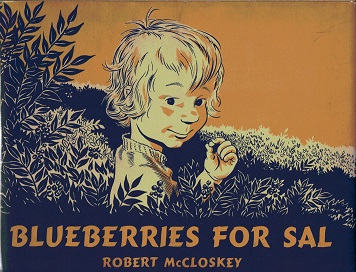
Book BAGS: preschool book-based activities, games and snacks for "Blueberries for Sal"


Hello friends! Teacher Omi (grama) here. As a former homeschool parent and special needs teacher, I'm excited to bring this passion for education forward to the next gen grandchildren. When he was 4, my eldest grandson Silas called me Teacher Omi (grama) so I'm calling this new phase of homeschooling our Om-school.

I've been putting together a series of Book BAGS (literature-based units with books, activities, games, snacks and crafts). Today's Book BAGS unit is based on the 1949 Caldecott winner "Blueberries for Sal" by Robert McCloskey. My mom read it to me when I was 4 and it's become a family favorite. We also live in Michigan blueberry country and it's coming on blueberry season, so a perfect story to celebrate. I've geared this to homeschooling, erm, Om-schooling families with activities for all ages. If you're using in a group setting, preschool to 2nd grade would be best. I'm dedicating these free printable bear lesson plans and activities based on "Blueberries for Sal" to our grandboy Lucian, bear aficionado and explorer extraordinaire. 

Begin your Book BAGS unit by reading "Blueberries for Sal." Enjoy the beautifully detailed block print illustrations of Robert McCloskey.  I recommend getting your own copy of this classic story and Thriftbooks is my go-to for reasonably priced used books. 

Note the similarities between the bear cub and his mother and Sal and her mom. Both moms are preparing for winter. Sal's mom is going to can the blueberries while Little Bear is exhorted to "eat all you can hold for winter." "Blueberries for Sal" is the perfect segue into life science lesson plans on bears and hibernation. Bear.org has a plethora of free printable bear lesson plans and activities based on bears. 

You might actually do a fruit canning project with children. Or if you're like me and not much of a home-canner, make freezer blueberry jam. Here's a freezer blueberry jam recipe from Farmhouse Harvest. Jam-making lesson plans are perfect for multiage classrooms or homeschools because everyone from the baby on up can participate. Toddlers like my Omschool littles Remus and Emmett could practice eye-hand coordination and fine motor skills placing canning jar rings on a spoon (as Sal does) while the prechoolers Juno and Ezra could be blueberry stem removers and squashers. The 4 and up crowd (Lu Bear, Milo, Lola) can get math skills practice measuring and counting. The big Kahunas like our Moses and Silas can be project coordinators. And everyone will enjoy the tasting! 

If you don't want to mess with making jam (and I confess I for one might not LOL), you can make a multitude of snacks from blueberries for your unit. How about rainbow sandwiches? Spread bread with cream cheese, slice strawberries, mandarin oranges, bananas, green grapes, blueberries and red grapes and arrange like a rainbow! Or make Super Berry Chicken Salad with cubed chicken, celery, green peppers, blueberries, cashews (or chow mien noodles) mayo and Dijon mustard. Lots of slicing and chopping for cooking skills practice. Or you could do blueberry muffins or pancakes. 

Grade one and up might also discuss how things have changed in Sal's 1948 family kitchen and what things have remained the same. Stoves for example look much the same but are fueled differently (discuss how). You might assemble a collection of "vintage" cooking utensils like a rotary hand beater, potato masher, metal cookie cutters, flour sifter and pastry dough cutter. Put these in the  sand and water table for exploration. 

A perfect game for "Blueberries for Sal" Book BAGS (bags is book, activity, game and snack) is clothespin drop which lets kids explore another old-time tool, clothespins. This was a favorite at birthday parties when Omi was young. All you need is a package of clothespins and a canning jar. Students practice eye-hand coordination and fine motor skills dropping pins in the jar. 

And for the activity or book-based craft, make clothespins into "puppet" characters from "Blueberries for Sal" and act out the story. Here's where that recycling bin I'm always on about is invaluable. Let kids forage for scraps from there and a fabric scraps bag, to clothe and fur the characters. No fur fabric for the bears? Just draw on brown paper bags! Then add faces and voila, your own puppets! 


Free cross-curricular real-life lesson plans and building projects

Hello and welcome to the Omschool! Teacher Omi (Grandma) here with more ways to get free lesson plans from everyday tasks. A good curriculum should be practical, hands-on, goal-oriented and feature real-life. activities. Today's free lesson plans come from building/ assembly projects for household materials. These do double duty in that students are creating real-life items they will use everyday and homeschool families get value added being able to cross one more project off the to-do list! Assembling building projects is cross-curricular, requiring STEM, math, tool use, fine motor, reading, following directions, process thinking and often problem-solving skills (plus probably others I've not thought of!) 

So what kind of building projects are we talking about? Well, most of us order a lot of things online and have them shipped. And even if you purchase in store, many items come in pieces and must be assembled. Furniture, shelves, containers, toys, decorations, you name it...most everything states some assembly required. And these assembly building projects make excellent free printable STEM lesson plans for students. Next time you buy something that comes in pieces, students to building projects. Usually, you don't have to write separate lesson plans or even provide materials! Everything comes right in the package! And if instructions aren't written as well as they could be, this is extra learning as students are required to "think outside the box" and come up with solutions.  What better problem-solving activities could there be?

Oh and even more value added if instructions are written in several languages. Students can learn to translate and compare words in different languages. You might have them make a chart of how different phrases, words, materials or processes are called in various languages. I suggest making photo copies of instructions for each student involved in the projects. 

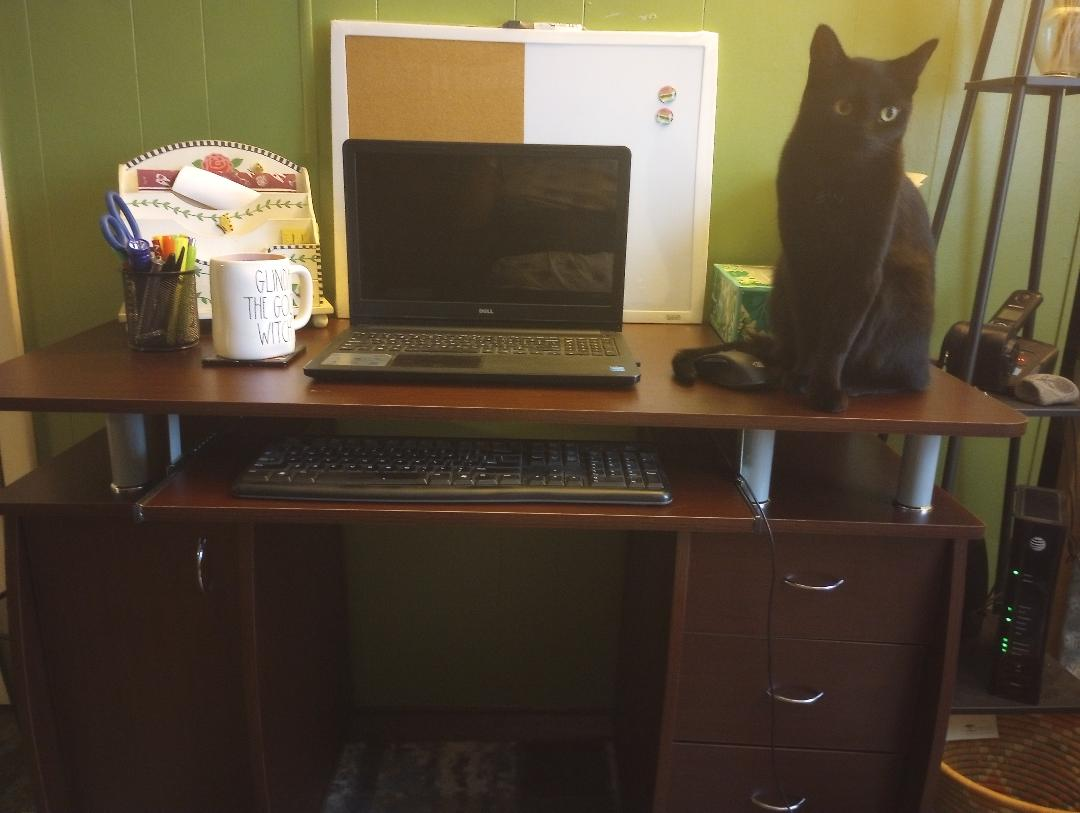
The building projects example I'm using is this desk I built (or assembled) recently. Everything was labeled, parts by number and hardware by letter. The step-by-step instructions were wordless and showed pictures. Most steps were very clear but the keyboard tray assembly was not. I had to redo it several times till I got it right. The set came with tools so I had everything I needed. I would recommend using your own if possible. We used our power drill which made it easier. Older kids could be taught to utilize one if available. Let children discuss how to organize materials for easier construction (placing parts in numerical or alphabetical order). For building projects with many different fasteners, students might sort them into an egg carton. Be sure to save little zippered bags from fasteners for other repurposed uses. Also, save any spare parts in case something breaks. 

Here's a site with free printable paper buildings and structures for further STEM extension. Some of the free printables aren't working anymore (this is a really old site I used 15 years ago when I was writing lesson plans for Yahoo!) But there are enough to provide lots of printable activities and hours of learning. Stay tuned for more free printable lesson plans. 

Cats Mordecai and Moishe (not shown) were very helpful in the building project and Mord thought you would like to see him sitting on his handiwork!  


Make a pet baby tornado: fun, easy, free science activities and recycled crafts

 Hello teachers and homeschool friends, "Omschool" teacher Omi (grandma) here with easy, free recycle bin crafts for science lesson plans. Today we're making pet baby tornadoes. This science experiment is easy for all ages from toddler on up. It's perfect for a highchair craft. The pet baby tornado is free to make with items from the recycle bin. You just need water, a clean glass jar with lid and a tiny drop of dish soap. 

To find baby tornado, just shake round and round to create a swirling in the water, called in science talk, a vortex. This is the force that drives a whirlpool and also the force that is generated by the drain in your sink or bathtub. Water doesn't just fall down the drain, it swirls round and round as it goes down. 

I realized after I made my pet baby tornado video that it was difficult to see him clearly. So I tried adding a little food coloring to make baby tornado show up better. You can also add some glitter if you  have some, to show how things floating on the surface are pulled into the vortex. 


Extend your science fun with some cross-curricular connections. Make a book about baby tornado. Research tornados and the force they create. Draw your tornado and maybe make up a song about him (her!) 

Here are free printable tornado lesson plans from A to Z Teacher. And here are some more free printable tornado lesson plans from Teach Engineering. 


Homemade sand and water table fillers for preschool learning centers


Hello Omschool blog friends! Teacher Omi here with another post in my series on the venerable preschool sand and water table. What's a sand and water table (also called sand table)? It's a low child-sized table with tubs that can be filled with materials for children to explore. The sand table is the backbone of preschool science activities in learning centers. Early childhood special education classrooms use a sand table for hands-on, sensory, tactile stim and interactive lesson plans to build cognitive and perceptual development. 

In my previous post, we looked at sand table alternatives to the expensive models in many preschool learning centers. These homemade sand tables feature repurposed, recycled and reused materials. Select the best sand and water table alternative to fit your classroom or homeschool needs, Then use these sand table fillers in science activities for early childhood lesson plans.

Water: Fill tubs with water to make a water table. Add floating toys and bath tub toys. Here are free printable lesson plans to make homemade water and sand toys from your recycle bin. Provide different sized containers that encourage children to practice pouring and measuring. Place revolving water wheels in the water table. Add some items that sink and some that float. Use water table for hands-on exploration with the scientific concepts of flotation, water displacement, density and specific gravity. Create a "Does it sink or float?" chart. Here's a free printable chart. 

Bubbles: Make a simple bubble solution with water, lemon Joy dish soap and glycerin for sturdy bubbles. Add bubble making toys and every day household gadgets: apple corer, egg beater, whisk, egg slicer, slotted spoon, fork, cone shaped applesauce mill and any other safe gadgets for water science activities in learning centers.

Rocks and seashells: Fill your sand table with water and sand. Add rocks, seashells and old (sanitized) recycled toothbrushes. Children can scrub shells and rocks with toothbrushes. Shells and rocks are best seen in water, which brings out their hidden depths. Children will love exploring the intricate beauty of shells and rocks.

Shaving Cream: Allow children to squirt shaving cream into water table tub. Concentrated gel shaving cream is lots of fun because it foams up as it sprays. Teach safety so kids don't get soap in their eyes. Exercise caution with aerosol cans. It may be advisable to have an adult add the shaving cream. Encourage finger painting and drawing in shaving cream. Make sure children wash their hands after doing science activities in learning centers.

Snow: Fill the sand table with snow and add plastic sand shovels, trowel, ice cream scoop, melon baller, recycled plastic cups and containers for molding and shaping snow. Have children to wear gloves and keep several pairs near the water table.

Recycle bin paper scraps: Place scrap paper in sand table tubs and add scissor with patterned edges and paper punches. Children love to snip, trim, cut and punch paper. Exploring with paper in the sand table keeps scraps in one place. This exercise provides good practice in cutting skills, scissors skills, eye-hand coordination and fine motor skills.

Dried beans or rice: Add plastic measuring cups, spoons and cups with pour spouts. Teach children about measurement math. Preschool children can practice counting, sorting while getting good tactile stimulation in learning centers.

Aquarium Fish tank rocks: Buy bags of multicolored aquarium fish tank rocks (the small kind that line the bottom of the tank). Fish tank rocks make excellent media for pouring, scooping and measuring. Aquarium rocks also don't draw insects like beans and rice. Beads work well in the sand table, too, but can be expensive. Explore other materials for your sand table science activities.

Picture is a very special grandson, mucking about with his homemade silly putty! 


DIY Sand and Water Table alternatives for homeschool and classroom


 Hello fans of my Omschool blog. I've been a licensed general and special education teacher for 37 years and part of my career work was spent homeschooling our four children. Now, I'm Omi--grandma--to 9 going on 11 and am continuing the homeschool traditions I began, with the second generation as Omschool (Omi's school). Lesson plans are designed with cheap to free materials, many of which are reused, repurposed and recycled. 

For today's lesson plans, we'll create a DIY sand and water table for preschool, special education and lower elementary learning centers. This sand table alternative was developed in our homeschool and works well for small spaces. As budgets are usually tight, whether in public, parochial or homeschool, this is a low cost alternative as well. 

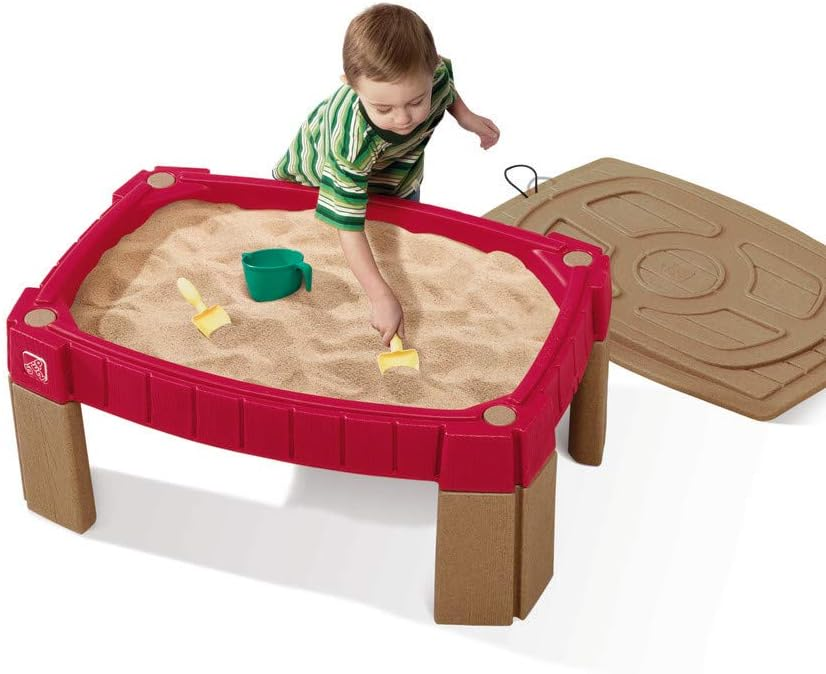
Instead of the expensive sand and water table purchased from school supply companies, I've used a repurposed child's sandbox such as the enclosed Little Tikes turtle sandbox or Step 2 brand sandboxes. The turtle sandbox is washable, portable and covered. It moves easily indoors or out. For an even more budget friendly alternative, get a small plastic wading pool. I've found these as cheap as $7 from Dollar General. Inflatable kiddie pools will work too however they aren't as durable. 

The last sand table alternative is a low sided plastic box or tub with lid. This works very well when space is limited. When learning center activities are done, simply close the box with media and manipulatives inside and stack in the storage area. Here's my blog post on homemade sand toys for the sand table. 

These preschool learning center activities worked very well for our homeschool. I could allow the  youngest children to explore independently while instructing the older children. The DIY sand and water table wasn't just for preschool learning center activities either. The older kids could use it to practice and explore mathematical concepts such as measurement, geometry (volume) and science (sing various media). Sand tables provide excellent sensory experiences. More on sand table filler alternatives later! 

I'm sorry I don't have an image of how this sand and water table fit in our homeschool. But let me assure you the even in our tiny 10x10 room, it fit well! I've linked the picture to Amazon. This small reasonably priced Step 2 sandbox would work perfectly. 

Free lesson plans: how to homeschool for nothing (zip, zero, no cost)


 Hello my friends! Om-school Omi here with some good...nay great...news for homeschool families. You can literally homeschool your children for nothing, as in zip, nada, zero cost with these free lesson plans and a little know-how. I'm going to share easy, free ways to educate kids, gleaned from 43 years of teaching. 

I've been doing this education thing in one way or another since I was 15, at summer camps, VBS, Sunday school and then as a certified teacher in K-8, Montessori, adult, preschool, special needs, tutoring, homeschool and substitute teaching. And I can assure you that it's not really that difficult if you plan and prepare accordingly. 

If the Covid 19 pandemic taught us anything about homeschooling our children it's that we prefer to pay for things (or feel more comfortable with purchased curriculum, cyberschooling, apps, etc.) than we do trusting our own teaching skills and common sense. But happily, as quarantine wore on, I saw many parents begin to have aha moments as they realized, hey, this isn't so difficult. We can teach our kids! To quote my beloved Barack Obama, yes we can! Parents began to wean from purchased packaged and digital lesson plans and experiment with ideas of their own. 

So now that Covid 19 is winding down, you can also keep up that momentum with homeschooling if you want. You don't have to homeschool every day or keep them out of group education. The key is to remember that every moment we are with our children we are teaching, modeling, and communicating in every act we perform or word we say. Daunting? A little. But also exciting. So how do we teach, model and communicate positive healthy, proactive ideas to our kids? Here are some ideas, my "free lesson plans" if you will. 

1) Be authentic. Just because we are educating constantly, doesn't mean we have to adopt a fake "teacher voice." Educating doesn't mean pontificating, preaching or proselytizing. Speak to children respectfully, positively and gently. 

2) Build for natural learning. Teaching is more about doing and showing than talking. St. Francis of Assisi said of preaching (which in its truest form is teaching) "preach always. Occasionally, use words." Genuine learning takes place when teachers share, foster and facilitate experiences. 

3) Facilitate. Montessori identifies this as the teacher's main duty. Make natural learning experiences accessible to students. Create activities--a craft project, for example--and then step back and let children interact with materials. Or just point out learning experiences (a bird's nest on a nature walk). Don't hover, orchestrate or  manufacture results. Let kids take from experiences what they will. See my post on grandchildren Lucian and Ezra and their experiences with a sand mold project we did with them. 

4) Observe. I can't emphasize enough the importance of quiet observation and reflection in the classroom. In an upcoming post I'm going to cover observation journals. There's so much going on around us in our world. Children know this and are constantly making us adults aware of this, if we listen. Sometimes, we learn more from them than they learn from us and what a blessing that is. I guess that's why Montessori says to "follow  the child" and the Bible that "a child will lead them." 

5) Empower. Sadly some children have had their experiences, observations and ideas diminished and need an infusion of confidence. They have come to believe that they aren't good enough and require constant validation from someone they think is superior. This is where we educators can interrupt and redirect that cycle and validate them. When subbing in an alternative high school for troubled teens, students were reading "The Crucible" aloud as a play. I complimented one young man who was generally very angry and withdrawn, on his delivery as Judge Hawthorne. I said he should consider community theater. He literally blossomed and I heard him after class telling students that he was thinking of trying out for a play. 

Stay tuned for more ideas on how to educate children without spending a cent! Photo is eldest grandson Silas mucking about with his homemade slime, making a mess, having a blast, oh and btw, learning about polymers. 

How to Adapt Lesson Plans for Multiple Ages

 Greetings from the Om-School! Teacher Omi (grama) has been lucky to spend more time with the grandkids lately and it's got me thinking again how important it is, not just in homeschool, but in any educational setting to tailor lesson plans to various ages and ability levels. Two things you want to avoid when doing activities with kids is boredom and planned failure. And activities that are geared to young or too old will cause both of those. But age-flexible lesson plans will automatically provide the opposite: engagement and success. 

I know you may be thinking, but I don't have time to create separate lesson plans for every age or ability level that I'm teaching. Good news! You don't have to. Here's how to adapt lesson plans for multiple ages. You may have noticed that the lesson plans on this blog are flexible to fit many ages. That's because I want them to be user-friendly for you as the teacher but also for the students who even if they are all the same age, are variable in skill levels. 

The key to age-flexible lesson plans is breaking down the activities and steps involved and then let each child do the part he can have most success with. I'm thinking especially of craft projects here. Too often, children fear crafts because we adults make kids think they have to be done a certain way to "look right." The child fears that he is doing his wrong or that it doesn't look as good as someone else's.

For example, on our recent vacay to visit our six grandkids we made plaster sand molds with them. Children range from baby to age 8. Moses and Silas, the 8-year-olds, could follow the directions to mix up plaster, configure the molds and create their designs. So they were project managers. This gave them a great feeling of success. 

6-year-old Lola was able to follow the directions the boys gave but needed an active duty, to stay engaged. She was the materials coordinator, counting out and distributing what each person would need. 4-year-old Lucian was less interested in the actual craft project part, than he was in the sand play. So we gave him some decorations to place in his mold and then a tub of sand, shells, water and a scrub brush, to explore to his heart's content. 

We helped 2-year-old Ezra and baby Remus make quick hand print molds and let them spend the majority of the time exploring. Ez and Lu built sand castles and had fun burying, digging up and then scrubbing their shells. Baby Remus got some large clean shells to explore. When everyone was done, the big kids joined the littles in seashell exploration.

Everyone got from the project exactly what he or she needed. When focus of an activity is on everyone making a cookie cutter project in the same way, children feel a lot more frustration, boredom and failure. When each is allowed to engage with materials as he feels comfortable, regardless of what the final project looks like, or if, indeed a project is even made, the outcome is authentic learning, success and enjoyment. 


Easy and cheap outdoor spring lesson plans for all ages: Art Walk

 Hello fellow educators! Yes, you too, grams and gramps, if you care for kids, you're an educator! Today, on this bee-you-tee-full spring day, I'm sharing some super simple outdoor spring lesson plans that cover science, art, math and even music and community outreach. These lesson plans were inspired by my baby grands Milo (3) and Juno (18 months). 

We're Omi (granny) and Opi (grampa) to nine kiddos. We were homeschool parents for many years in the early 1990s-2000s. Now I call myself an Om-schooler. Recently, Opi and I took Milo and Juno for a walk around the neighborhood. Milo insisted he bring the nifty egg-shaped sidewalk chalk that Auntie Molly (our oldest and a second gen homeschooler herself) sent. 

Along the way, he,  Juno and we would stop to color lovely pictures on squares of sidewalk. At one point, a neighbor called out the window that she really appreciated the sidewalk chalk drawings as they brightened up her day. Later, the we took mom and dad on the Artwalk to show them our pictures. It occurred to me that we could extend this into cross-curricular lesson plans by making our own sidewalk chalk and sharing our Artwalk throughout the community. Sidewalks surrounding hospitals, nursing homes and senior centers would be great places to share Artwalk drawings. 

To make sidewalk chalk, mix plaster of Paris, water and tempera paint. Tape off the ends of coin rollers, paper towel or toilet paper tubes. Fill with mixture and allow to harden. You could also fill Styrofoam egg cartons for half-egg shaped sidewalk chalk. 

For preschool math lesson plans, teach skip counting by encouraging children to color on every third, fifth, tenth sidewalk square (depending on which skip counting pattern you're currently working on). For music lesson plans, we sang spring songs on our Art Walk, kind of like Christmas carols only spring singing! 

I know, these are ridiculously easy but that's the beauty of authentic learning experiences...they develop naturally from activities you're already doing! Peace! 

Earth Month recycled trash crafts: homemade musical instruments


 Hello my fellow educators! Time to spring into Earth Month and what better way to celebrate the environment than by protecting it. And what better way to do that than to reduce, reuse, recycle and repurpose and what better way to do that than with recycled trash crafts? Here are "recipes" to make homemade musical instruments from the recycle bin or using found household object. Whether you teach at home, school or in a community setting, your students will love these activities. And as a former homeschool parent now in Gen 2 homeschooling with the baby grands, I'm gearing my lesson plans toward all ages including the toddlers. Juno, Emmett and Remus, Omi has you covered! 

First and simplest recipe for homemade musical instruments is to repurpose items from your pan cupboard and junk, erm, I mean utensil drawer! I've been privileged to enjoy four kids and nine grandkids and a favorite activity is a kitchen band. A funnel makes a great trumpet! An egg beater or wire whisks are great for percussion. Experiment with various spoons and metal, wooden or glass bowls to create a panoply of drum sounds. Kids can even simulate bells. 

Speaking of bells, have kids create homemade bell musical instruments using clean aluminum cans and jar lids. Smooth down any rough edges by running a can opener around the sides to press down (good job for older children). Next, pound a nail into the top center of closed end of can. Use nail to pierce a hole in the edge of the jar lid. Use recycled string or yarn to tie a loop through jar lid and then run it through hole in can. Make a large knot to secure. 

Make windchimes from recycled trash. Windchimes are very easy trash crafts to make. Repeat procedure for the homemade bell musical instruments punching several holes in aluminum cans and securing four or five can lids. Suspend them below the can so they can blow freely. 

Homemade "xylophone". Use recycled flatware (spoons, dinner knives and forks) to make chimes. Bend heads of spoons and forks so they will connect more easily. Cheap flatware works best as it is more bendable. Or leave flatware as is to create a xylophone. Have an adult drill holes in handle ends or use double stick tape to secure string or yarn scraps. Suspend from hooks attached to a flat board or 1x1x12 piece of wood. Encourage students to test sounds and arrange according from high to low. 

Stay tuned for more recycled trash crafts! Tip Junkie has a list of 28 free printable recycled trash crafts for Earth Day to take you all through Earth Month! 

Recycled trash crafts for Earth Day: Book-based endangered animals and habitats


April turns our minds to Earth Day, which has expanded into Earth Month. Build awareness of conservation and reduce, reuse, recycle and repurpose with these recycle bin trash crafts. Today's trash crafts for kids feature book-based animals and habitats, student-designed from the recycle bin. 

Said it before and I'll say it on autoloop, the recycle bin is a teacher's /homeschooler's best friend. Making book-based animals and habitats from the recycle bin teaches students several important lessons about ecology. First, children explore animals and their habitats. If you swing these lesson plans toward endangered species, kids learn how and why animals become threatened or endangered. These earth science lesson plans have social studies connections too. 

Second, making recycled trash crafts teaches kids to reduce, reuse, recycle and repurpose. Making book-based endangered animals and habitat dioramas extends lesson plans to include art, literature, measurement math and inventiveness. Throw in Earth Day poem writing or have students compose a story about the endangered animals and you've got creative writing as well. 

For preschool students, I recommend using any of the Mousekin (Edna Miller), Leo Lionni or Eric Carle books for your book-based animal habitat diorama crafts. Research with children which of the animals is endangered or threatened and why. Both children's authors feature animals in habitats with simple drawings that can easily be created by children with items from the recycle bin. Leo Lionni illustrated his books to look like patterned pieces and scraps. 

Here are some free printable Eric Carle coloring pages and crafts to spur creativity. Here are links for free Leo Lionni resources. Not all work but some are still available. Here are free printable animal habitat activities. 

To make the animals, put out an assortment of paper and cardboard scraps, plastic, metal and glass packages, cardboard tubes, packing materials, mesh produce bags, foil, plastic lids, etc. Add fabric scraps, buttons, yarn, string and other nifty recycled items. Give students free reign to invent as they wish. 

Happy Earth Day and Earth Month! (The cats shown above are not endangered but they were just too cute not to share). 


Homemade Oobleck, Silly Putty, Moon Sand, playdough, Flubber noise putty, Papier Mache lint dough recipes


March celebrates the birthday of Dr. Seuss and is National Reading Month. For hands-on reading lesson plans, how about kitchen science recipes and chemistry experiments? Here are recipes for homemade Oobleck, silly putty, farting or noise putty, Flubber, play dough, melting goop, Moon Sand, lint dough, modeling clay, papier mache, and soap dough.

Homemade Silly Putty, "farting" or noise putty or Flubber recipes: Silly putty is called farting noise putty, because it sounds like passing gas when squished. Air is trapped and creates bubbles. This makes a great chemistry experiments as well as biology demonstrations. It was called flubber (flying rubber) in the movie "The Absent-Minded Professor" and "Son of Flubber." Silly Putty essentially becomes a bouncy ball. It might be what gives Pooh's friend Tigger his bounce? Preschool kids will love reading "All About Tigger" and other Winnie-the-Pooh books. 

This simple hands-on kitchen science recipe has wowed generations of students in three decades of teaching. Mix blue liquid laundry starch and white school glue. Laundry starch is found in laundry section. Sta-Flo is the most common brand. Amazon carries liquid laundry starch also. Blend equal parts in cup or zippered bag with fingers. Mix till sticky glue is blended in and putty is slippery and rubbery. 

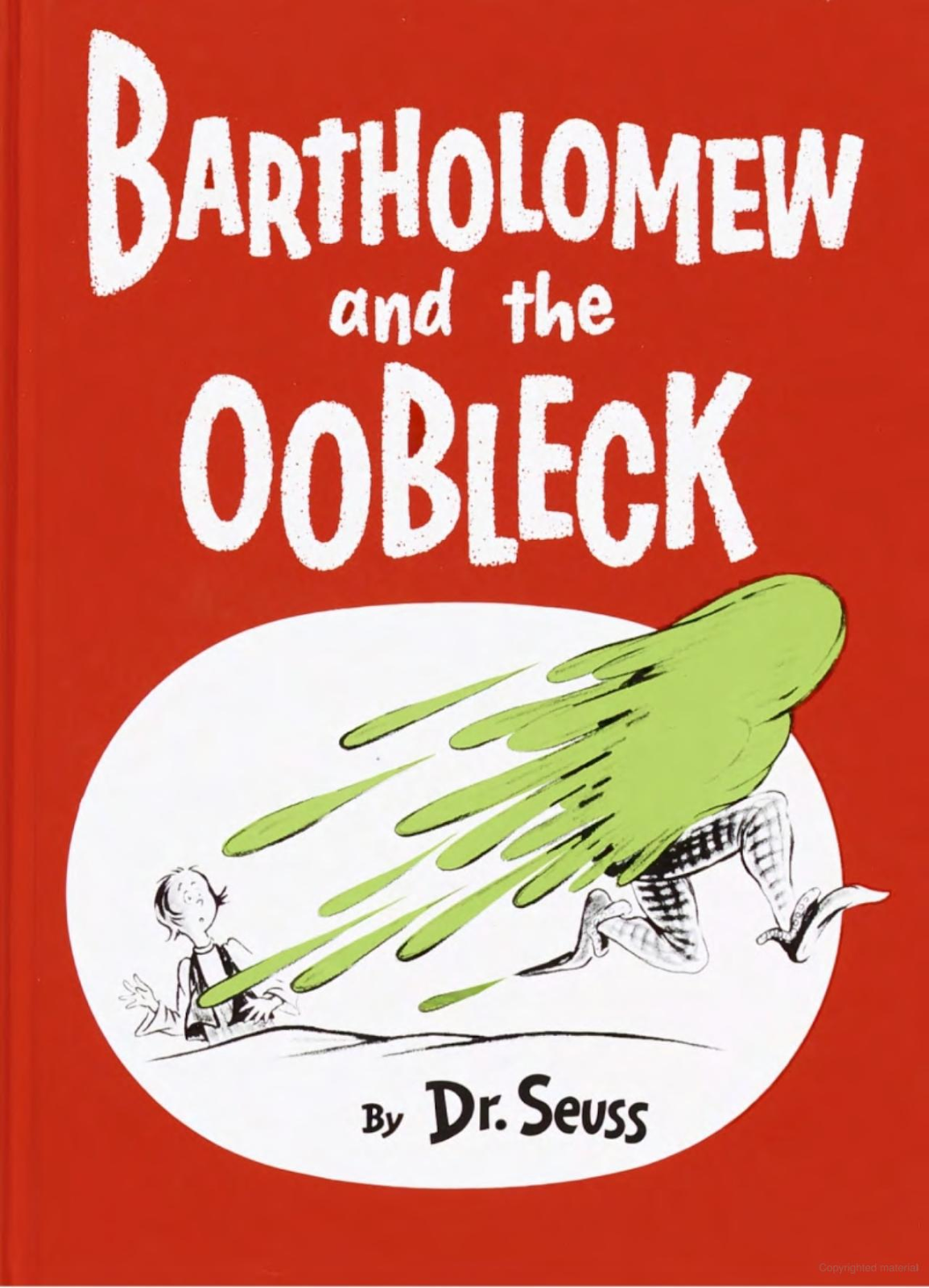
Homemade Dr. Seuss Oobleck, Gak Splat or Magic Melting Goop. These hands-on kitchen science recipe defy the laws of matter. Is it a liquid or a solid? In Dr. Seuss "Bartholomew and the Oobleck" a pesky substance with a mind over matter (properties of) leads poor Bartholomew Cubbins (of the many hats fame) and a wild Oobleck chase! Begin by reading this hilarious classic for March National Reading Month. Nickelodeon's Gak Splat of the 90s is a similar recipe. 

To make Oobleck, mix a little water colored green, in corn starch. Notice how it hardens to a solid then "melts" when you touch it. Put melting putty in the preschool sand and water table. Or fill a child's pool with cornstarch and water for hours of messy hands-on science experiments. Oobleck would make a great child's birthday party activity! 

Moldable Moon Sand. This dough recipe teaches ratios. The ratio is 2 to 1 to .5. Mix 2 cups of commercial play sand, 1 cup corn starch to one half cup of cold water (color water with food coloring if desired). Dissolve corn starch in cold water (cold doesn't clump, but you can let kids experiment with warm to discover that for themselves). Then blend sand and corn starch together. Make a large batch for classroom sand table. 

Perfect Playdough: Blend 1 cup salt, 2 cups of flour, 1 cup boiling water, 1 teaspoon of cream of tartar or alum, food coloring, cooking oil (about 2 T.) Playdough too sticky? Add flour. Playdough too dry? Add water or oil. Children love these kitchen science recipes. 

Homemade Soap Dough: Mix 1 cup powdered laundry detergent, an eighth of a cup of water and food coloring. Mold or sculpt as you would with play-dough. Store in refrigerator. 

Homemade Papier Mache. Tear any recycled scrap paper in pieces. Soak in hot water till pulpy. Add a dribble of white school glue. Blend till smooth. When cool, spread Papier Mache over boxes and containers to form shapes.  

Dryer Lint Dough. Teach ratios 1.5:1:.3. Mix 1.5 cups pressed dryer lint with one cup cold water and one third cup of flour. Add a drop of oil to prevent mold. Dissolve flour in cold water and blend to get rid of lumps. Carefully add lint and stir constantly until mixture forms stiff peaks. Mold like Papier Mache. 

Have children create homemade books of their activities by doing an LEA (language experience approach) story and letting kids illustrate their books. Homemade books are a perfect reading month activity. 

Recipes for homemade crayons using recycled broken crayons


With Earth Day, and Earth Month, fast upon us, I'm looking at ways to reduce, reuse, recycle and repurpose .Making crafts with recycled materials from the recycle bin is an excellent way to teach Earth Day eco-friendly habits. Here's are activities to use up those leftover broken crayons. Repurpose them as new crayons with these simple science activities. 

Have students gather broken crayons and peel off outer paper. You'll be making new palm held crayons similar to the egg crayons. These are popular in special needs or preschool classrooms use to help children who aren't quite ready for the stick crayons. Palm or egg crayons help toddlers, preschool and special needs kids develop fine motor skills while still enjoying coloring activities. 

Once you have pile of peeled crayon pieces, spray old recycled muffin tins with cooking spray. Use mini muffin tins for preschool and older children and large ones for toddlers as mini shaped crayons might look edible to toddlers. Have students place assorted bits of broken crayons in each tin. Aim for a rainbow of colors in each cup. Help kids place muffin tins in oven and heat to 200. Heat till crayons on melted but still chunky. Swirl with toothpick while warm if you wish. Place crayon melts in refrigerator till hardened then turn out of pan and enjoy coloring.

Be sure to only use recycled muffin tins for crafts, and not cooking, once you've done this activity. This is a great way to repurpose old muffin tins and give them new life. Use these free printable rainbow coloring pages to make beautiful spring crafts. Print coloring pages and printables on scrap paper from recycle bin for green, Earth Day ecofriendly activities. 

St. Patrick's Day party lesson plans, crafts, activities to celebrate green

Here's a nifty unit of activities for St. Patrick's Day: lesson plans to celebrate all things green! I've tailored these lesson plans for classroom or homeschool, and ages toddler and preschool through grade 3. I've included St. Patrick's Day party activities, green themed food and snacks, games, crafts and printables. There are many earth science extensions for Earth Day too. 

Green themed snacks and food for St. Patrick's Day party: 

Make a green fruit and vegetable tasting tray. For hands-on biology science activities, explore plant parts of green veggies and fruits. Make a chart to show what plant part each comes from. Draw a large tree showing roots below the ground. The use these free printable coloring pages for fruits and vegetables to color, cut and paste pictures on the tree. 

Roots: sprouts, scallions (tops), fennel bulb
Stalk (trunk) celery, green onions, dill weed, asparagus
Leaves: lettuce, brussels sprouts
ts, kale, spring mix, arugula, spinach, cilantro, mint, watercress, 
Seeds: green beans, peas, edamame, 
Flower: Broccoli, broccoflower: flower 
Fruit: cucumber, kiwi, green grapes, green beans, zucchini, chayote squash (also called mirliton in southern states), green apples, pears, acorn squash

Students will enjoy making green lime yogurt pops by freezing yogurt in popsicle makers. Or freeze limeade or pistachio pudding. 

St. Patrick's party games: 

Play Red light/Green Light (basically stop and go). Extend with safety lesson plans. Discuss that green represents "safe" or "go" in online, cyber and traffic safety. Make traffic safety road signs to test children. Use these free printable traffic signals and road sign coloring pages. 

St. Patrick's Day green themed crafts

Discuss earth friendly ways to keep the earth green. Encourage kids to think reduce, reuse, recycle and repurpose. Challenge them to make "green machines" that are both eco-friendly and green in color, from the recycle bin. 

Toddlers and preschool students will like to color these free printable spring coloring pages. Here are free printable flower coloring pages too. Be sure to print on scrap paper from the recycle bin. Use low ink settings for the most eco-friendly printing. Assemble into a poster to display. 

Have children make collages from recycled magazines of pictures of things that are green. For really earth friendly green crafts, use materials from the recycle bin. Toddler and preschool children will love finding green items in magazines. 

Plant herb seeds in recycled jar or plastic dish (holes poked in the bottom for drainage) from recycle bin. 

Earth Day green outdoor activities

Go on a nature hunt and look for spring signs of new life: nests, buds on trees, green plant shoots, flowers beginning to sprout, grass growing, baby leaves on trees. Pay special attention to things that are green. Kids should bring a nature journal where they can draw pictures of what they observe. 

Collect litter and trash for proper disposal. Be sure kids wear nitryl gloves and masks when collecting litter. Adults should collect any glass. 


Lesson plans using recycled plastic Easter eggs and egg cartons


  I love repurposing and reusing stuff from my recycle bin in new and creative ways, especially as lesson plans. Recently, my one-year-old grandson has been discovering the fun playing with empty recycled plastic Easter eggs. This has inspired me to design hands-on activities, lesson plans and games using recycled plastic Easter eggs and egg cartons. I've includes some free printable activities to supplement. 

With Easter coming up, there will be many activities involving plastic Easter eggs: candy hunts, Easter crafts, etc. You might be tempted to throw them away, after use, but don't. There are so many educational activities to use recycled plastic Easter eggs. Save Styrofoam egg cartons as well. 

I blogged in an earlier post about using plastic eggs and egg cartons from the recycle bin as preschool learning center math, sorting and fine motor activities. The good news for homeschoolers is that these make great toddler high chair activities too. Activities are easily adjustable to age. My grandkids Juno and Emmett who are 1, love stacking or "nesting" plastic egg halves, just like blocks. We work on placing eggs in egg cartons, to practice eye hand coordination, puzzle skills and fine motor. 

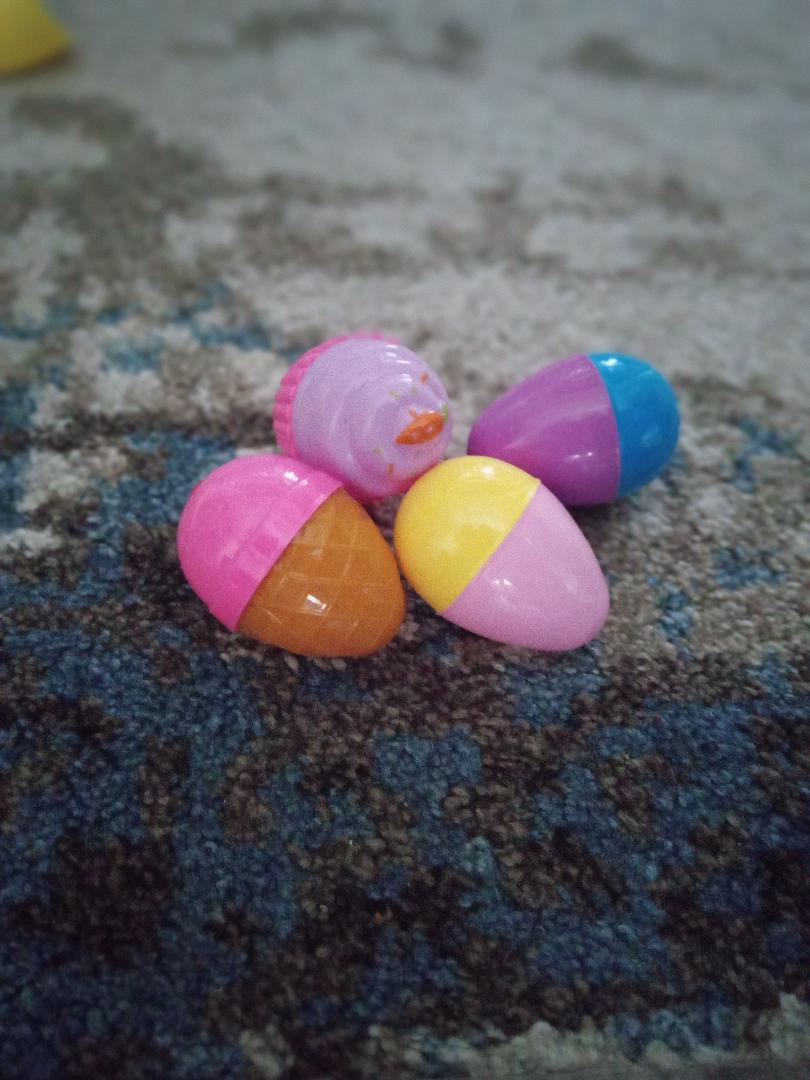
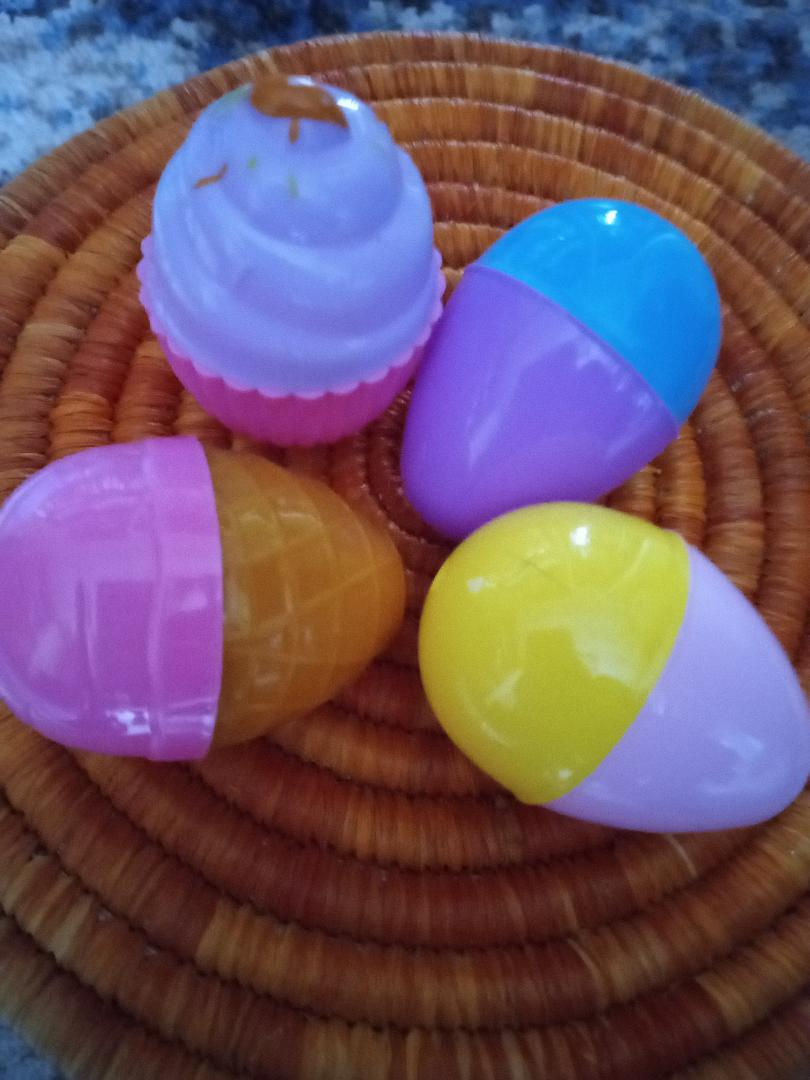
Challenge kids fine motor skills in egg assembly activities. The plain colored recycled plastic eggs are easier than the shaped ones like the ice cream ones shown in the picture which can be a little tricky. But it's important for development that some tasks be difficult, especially for special needs and students with autism. We teach to fear failure and frustration when we make things too easy, or do it for them. Children need challenges, to have to work at something and to try new approaches, to learn patience, perseverance and vital problem solving skills. 

Use assembled Easter eggs in science learning centers and preschool sand and water table to explore water displacement and floatation concepts. Give toddlers scooping tools to practice fine and gross motor skills in high chair activities. Special needs students will love "fishing" for Easter eggs too! 

Have kids "hide" little items or non-messy foods in recycled plastic Easter eggs. Or hide them yourself and have students predict what's inside. This teaches math skills of size estimation. 

Sort eggs in egg cartons, by color or design. Last year, when my husband and I visited our grandkids, we brought each child a set of individualized themed Easter eggs (dinosaurs, fish, desserts, sports balls and insects). Then we played an Easter egg hunt game in which each child had to find eggs in his pattern. The 3-year-olds, Lucian and Milo, were able to identify eggs that belonged in their pattern. And Ezra, who was almost two, was able to find his fishy Easter eggs by their color. Extend pattern lesson plans with free printable animal dominoes. 

Do an Easter egg hunt, using recycled egg cartons to place found eggs. Each child brings a dozen and finds a dozen. Once her 12 spaces are filled she "wins." A homeschool mom friend of my oldest daughter came up with genius plan. It prevents kids taking too many eggs and best of all teaches math skills. Have older kids group their eggs by two, three, four and six, to learn skip counting, multiplying and dividing. Reinforce with these free printable math flash cards. 

For more hands-on lesson plans and recycle bin activities stay tuned to this blog. 


5 free activities to break the screen addiction


So I probably won't get any argument if I say we're all pretty screen addicted. Adults bemoan kids always on their phones or playing video games but where did kids learn it from?  Distracted parenting, and by this I mean being always connected online (shopping, social media, texting, scrolling)  makes for some pretty disconnected parents and children. Here are 5 free activities to bust the screen addiction and reconnect families. 

Fully engage. Wherever you go, you see people attached to their phone, even when they are supposed to be relaxing. You wonder how they could possibly be enjoying themselves. And social media is overflowing with photos of people supposedly doing things together. Are they more concerned with doing things as a family or being seen to do things as a family? I don't know about you but I can't multitask. When I'm with kids, it takes all my attention and then some. Social media doesn't need your undivided attention, your kids do. Next you go someplace with the kids be more concerned about enjoying the time rather than posting about it instead of the other way around. 

Chat with children. I don't mean some artificially contrived cyber chat. I mean just talk with them and more importantly listen. Ask and answer questions. Discuss everything. I had a fabulous conversation with my second oldest grandson Moses who lives in Louisiana about everything from snakes to suitcases. He was amazed that we talked for almost an hour and a half. I said I could visit with him forever. I don't know how much he realizes how I treasure this time. And you should too. Your kids will not always have or make as much time for you. Celebrate it.

Explore. Wherever you go, observe and discuss what you see with your children. Instead of plunking some phone game in front of them when you go grocery shopping, take the opportunity to chat with them. Wonderful memories made. 

Make memories. Speaking of which, it seems to be that parents are more concerned about telling others what they are doing rather than just doing it. Again, be so busy enjoying family time that you are too busy to update everyone on social media about it. Instead of the other way around. 

Be in nature. Whether it's a park, the beach, a hiking trail, or just down the street, teach kids to observe and talk about what they see in nature. When I take my grandkids for a walk, I narrate what we are seeing. As they get older and more verbal, they start narrating, and questioning, and wondering. As Mister Rogers sang, 

"Did you know that it's all right to wonder? Did you know when you wonder you're learning? Did you know when you marvel you're learning? About all kinds of marvelous, Marvelously wonderful things?" 

Read together. There are just no words to describe the magical worlds you create and inhabit when you read to children. 

Recycle bin Easter egg crafts to teach early math--with free printables


With Earth Day (now actually Earth Month) around the corner, I'm sharing lesson plans to make crafts from your recycle bin. Today we're making recycle bin Easter egg crafts to teach early math activities of sorting and matching, plus fine motor skills. These Easter egg crafts were inspired by my toddler grandchildren, Juno, Ezra and Emmett. 

As a homeschool mom, I was always looking for toddler high chair activities to keep the youngest busy learning while I did lesson plans with the older kids. Use these Easter egg crafts in math learning centers, as high chair activities or at a toddler picnic table for older more mobile preschoolers. I used one of the small Little Tikes picnic tables with our youngest. I rotated different preschool crafts and hands-on activities for her to work on. You could use the sand and water table also. 

For toddler Easter egg crafts (ages 1-2)  you're only going to need two things, which can be found in your recycle bin: plastic refillable Easter eggs and empty egg cartons. Assemble eggs for 1-year-old children and let them practice sorting into egg cartons. As they get older, children can begin assembling Easter eggs. Then at age 2-ish, they can match egg halves by color or pattern (we have some really cool ones shaped like sports balls, fish and ice cream!) These are great for developing fine motor skills. And saving Easter eggs from year to year is environmentally friendly so prefect for Earth Month. 

Also at age two, or whenever they no longer put things in their mouths, they can begin filling Easter eggs with tiny objects or shapes. Children might cut shapes from recycled cardboard or paper, to practice scissors skills. They might also use shape punches. Extend this into a fun preschool snack craft by giving them little snacks to hide in eggs (fish crackers, letter pretzels, etc.)

Here are free printable Earth Day activities and here's my page of free printable Earth Day lesson plans, crafts and activities. Lastly, here's my collection of lesson plans for Earth Day trash crafts Stay tuned for more Earth Month activities! 


Recycle bin crafts: sensory "touch and feel" animal habitat books for hands-on animal lesson plans

Want to make animal lesson plans more hands-on and interactive? Here are lesson plans to make sensory or "touch and feel" animal board books to provide tactile stimulation. Use these for preschool and special education for students with autism and special sensory needs. 

Start with my blog posts on free printable animal habitat lesson plans. You'll find loads of animal coloring pages, cut and paste habitat dioramas and zoology printables. After coloring and assembling, attach animal habitat pieces to recycled cardboard from recycle bin. I suggest cereal and food packaging weight cardboard for ease of use with scissors. Value added: these recycle bin crafts and science activities are perfect for Earth Day to practice ecology and environmental awareness. 

Next, hit up that recycle bin and fabric scrap basket for various textured materials to simulate animal habitat structures, nests and body coverings. Depending on age, have students cut or cut for them, pieces to attach to habitats and animals. What you're going for are the multisensory "touch and feel" animal board books such as babies like. 

Here are some suggested multisensory materials to use for different animal body coverings and habitat structures:
 

fake fur or carpet pieces for furry mammals (cats, tigers, rabbits, squirrels)

polar fleece for lambs, sheep and goats

felt for animals with hide, hair or short fur (primates, monkeys, dogs, horses and giraffes)

feathers for birds

straw or twigs for nests

rough sandpaper for habitats pebbly surfaces 

soft sandpaper for beach habitats

wood chips or bark for woodland and tree animal habitats

foil for snakes or fish with skin

sequined fabric for fish with scales

satin ribbon or soft plastic pieces (such as from milk jugs or dairy containers) for frogs, dinosaurs, amphibians and mammal fish (dolphins, whales, seals). Look for appropriate colors. 

straw for nests

cotton balls or stuffing for snowy arctic regions and polar habitats

corrugated cardboard for trees

burlap for toads, rhinoceros, hippopotamus, turtles, pigs and animals with rougher skin

construction paper, canvas or bumpy fabric for dens and caves (also sandpaper would work)

yarn, string, brush bristles (any kind) for lion, goats, giraffe, zebra, mule, donkey or horse mane or tail

You don't need to cover the entire surface, just a bit as multisensory "touch and feel" books do. Try include as many sensory elements in the animal "touch and feel" books for optimum VAKT lesson plans. Assemble pages in book format by punching three holes along the edge and tying together with shoelace, for added tactile stimulation. Use these for preschool, students with autism and special sensory and tactile needs. 


Cage-free Zoo Animal habitat lesson plans with free printable animal activities


I've been a teacher for 40 years and today I was going to share preschool lesson plans to make a zoo animal circus train from my early days. And I realized that lesson plans that feature animals behind bars are not really ethically, environmentally or animal friendly. Piggyback on this, a discussion with my oldest homeschooling daughter (second gen homeschool <3) how she was rethinking what she was teaching, taking kids to on zoo field trips, with animals locked in tiny, non-habitat appropriate cages. This includes aquariums and marine zoos, especially. If we learned anything from the film "Blackfish" about Tilikum the "killer" orca whale, it was the damaging effects cages have on animals. So here are cage-free zoo animal habitat and animal classification lesson plans with free printable activities. 

Visit animal friendly zoos. Happily, many zoos are redoing structures to move away from tiny cages to wide, open more habitat appropriate spaces. The Detroit Zoo and Toronto Zoo are examples. John Ball Zoo in Grand Rapids, Mich., still has cages but new structures are more open. And even if you don't want to visit the zoo, check their website for free printable animal lesson plans. JBZ and the Detroit Zoo and probably all zoos have lesson plans and printables on animal classification, animal body coverings, adaptation, habitats and more. 

Research petting zoos. Maybe they've improved over the years, but we've had some unpleasant experiences at petting zoos. Tired, uncomfortable and even neglected animals forced to interact with mobs of people who aren't always respectful of the animals is a recipe for disaster. Pun intended, "vet" petting zoos before visiting. This includes any zoo day camps or zoo school experiences. 

Visit animal sanctuaries, nature centers, wildlife preserves and animal hospitals. Blandford Nature Center in Grand Rapids, Mich., is a good example. Yes, animals are in cages, but that is for their protection. All have been injured, maimed or in some way damaged by interaction with humans. Our youngest daughter was sensitized, then incensed seeing a bobcat that had been taken captive for a wildlife circus and declawed. He is literally helpless. It's a sad but relevant object lesson on why animals should be protected, not endangered. Blandford has a beautiful wildlife preserve, nature center and animal hospital that rehabs injured animals for reintegration to the wild.  Visit any nature center or wildlife preserve near you. Most all will have free printable animal lesson plans and activities to further study. 

Make animal habitat dioramas. Use my lesson plans to make animal habitat dioramas and here are free printable animal habitat diorama cut and paste coloring pages. Teach biodiversity, animal classification, body coverings, animal tracking and more! Make animal activities VAKT and special education friendly, by adding "touch and feel" elements to habitats. Use straw, fabric, fake fur, bumpy and textured surfaces to simulate animal body coverings and nest or dwelling materials. More on that later! 


Valentine Heart Party with science and health lesson plans, activities and printables


Are you looking for some fresh Valentine's Day party activities, beyond the usual valentine exchange, candy blast and heart crafts? How about swinging your holiday party health themed with these fun, active, not-boring heart health lesson plans and activities?

Parts of the body lesson plans: see my earlier blog post for tons of free printable health lesson plans including human body coloring pages circulatory system printables. Use these to create a parts of the body paper bag vest or T-shirt. Younger students color cut and paste parts of the body and assemble them on a paper bag vest. Older students draw, color and label body parts on a long-sleeved T-shirt. 

Heart healthy snacks: Instead of the standard Valentine's Day fare of candy, cookies and cupcakes, why not make heart smart goodies in class? Make a shared fruit and veggie rainbow. Set up stations for students to prep food and design in a big beautiful rainbow! The rainbow diet is one of the heart healthiest there is.  Mix and match with any of these rainbow fruits and vegetables. Extend health lesson plans to include physics science activities on light, spectrum and rainbow.

RED:  strawberries, raspberries, pomegranate, dragonfruit, red leaf or romaine lettuce, watermelon, radishes, grapes, pepper, tomatoes

ORANGE: peppers, carrots, oranges, mango, peaches, nectarines, cantaloupe, squash, sweet potato, pumpkin

YELLOW: peppers, lemon, pineapple, summer squash, wax beans

GREEN: grapes, kiwi, broccoli, beans, spinach, lettuce, spring mix, kale, peas, honeydew melon, avocado, cucumber, scallions, peppers, endive

BLUE: blueberries, blue grapes, potatoes (look in tri-color blend), peppers

INDIGO: prune plums, prunes, figs, eggplant, blackberries, currants

PURPLE: cabbage, broccoli, grapes, purple carrots, purple asparagus

Heart healthy games: Engage kids in relay races, aerobics, jump rope, jumping jacks, yoga, obstacle courses, fitness stations, trampoline, stretching, windmills, "bicycles" throwing and catching and climbing. Try to avoid competition and encourage personal achievement. You can do a range of movement activities that require no equipment.

Dance party: what better way to round our your Valentine's Day heart party than with dancing? Play fun, upbeat music and let kids work off desk-time pent up energy! Songs kids love include "Hamster Dance" "Baby Shark" "Gummy Bears" "Hand Jive" and "I can make your hands clap." 

Happy heart day! 


Free Printable Heart lesson plans for Valentine's Day


Hello fellow educators, with Valentine's Day right around the corner, you're probably up to your elbows in holiday crafts. But how about some non-traditional Valentine's Day activities? Here are free printable heart (as in the organ) lesson plans. Use these for science, anatomy and health lesson plans for fun holiday connections with an educational twist. 

Coloring Home has a large assortment of free printable heart coloring pages featuring diagrams to color and label, plus anatomy coloring pages to show how the heart works within other parts of the body. The health lesson plans help students explore the heart and the larger circulatory system and why it is such a vital organ (the word vital comes from Latin, "vita" or "life.") 

The American Heart Association has loads of free printable heart health lesson plans. There are other resources on heart health and healthy habits. Here a free printables on the circulatory system and heart themed activities to help students keep heart fit. I particularly like the free downloads with printables on 25 ways to keep moving, at home and at school. 

Kids Health has free printable fitness and health lesson plans to help students understand the importance of nutrition, exercise, fitness and healthy choices (not smoking or vaping). Click around to find fitness trackers, heart rate monitors and other tools for wellness. 

Along with the frilly Valentine's Day crafts and valentine exchanges, my students studied the parts of the body in science lesson plans around this holiday. Preschool students made vests cut from grocery bags with organs of the human body drawn on. Older kids made human body T-shirts with body organs drawn on in permanent marker. There are several coloring pages from the Coloring Home link that could be used as parts of the body templates. Older students might stencil on the T-shirt, label and color the human body model. 

Younger students can get scissors skills practice, using the body parts coloring pages as color, cut and paste activities. Here are more free printable human body coloring pages for such cut and paste activities, from Exploring Nature. 

Include lots of active learning in your heart lesson plans and heart healthy snacks! Stay tuned for heart party activities for Valentine's Day! 

The Very Best Educational App in the World

If the Covid 19 pandemic taught us anything it's how valuable a tool digital resources are. However, computers, internet, cellphones, are far too overused and abused. It was honestly sad for me as a long-term educator to see how parents, having to keep kids home, were so quick to run to computers, apps and internet to educate their kids, when there are so many easy, free, hands-on teaching tools to use. I'm not talking about middle or high school students who arguably need computers to do their schoolwork. Arguably. Even, or maybe especially they, need fewer interactive games and more active learning.  I'm speaking of preschool and early elementary age kids. Most all children could do with less or no screen time and more hands-on activities. And Covid 19 was a perfect time to do that. 

I'm not faulting you parents who bought online curriculum or used computer resources. The task of homeschooling often seems daunting. But the good news is that most all of you are homeschooling every day, independent of computers or phones, without even realizing it. You teach your children valuable life skills every time you plan and prep a meal or snack together, read together, visit the doctor or library, go to the grocery store or just take a walk. Kids learn fine and gross motor skills building blocks and practical life skills playing house and communication playing dress up. 

In this blog, I've shared ways to turn your home into a tech-free school, with just simple household items and basic toys. You don't need a big house or fancy materials. You don't even need a designated room or space. I created learning centers in our homeschool when we lived in a small single wide mobile home. We didn't use TV except to play a movie once a week and the "Mister Rogers Neighborhood" ritual. 

The secret is to make every experience a learning opportunity. Not an artificial or contrived "lesson plan." You just incorporate little nugget lessons into everything you do, naturally, organically. Teachable moments are right there for the enjoying. You don't ever need a screen. 

Is it okay to use TV or computers? Of course! Do kids need to be computer savvy? Ye..es, but no fear there. They get all the screen experience they need without having to add more. I think they're hardwired to it now. Or it's something in the water source. What they need are engaged parents, monitored computer time, and online safety courses. And most of all, tons of outdoor time, free play, open-ended experiences, experiments, exploration, books, tree-climbing, sand castles, dancing, polliwogs, messes, beaches, forts in the woods and fresh air! 

And the good news? Those are all free! They don't require an app download or phone memory. They don't drain battery life! If you or your kids are screen addicted (don't be embarrassed to say, we've all been there), shut it down. Go out the door into the best app ever, called the big wide world! I guarantee you'll all feel better, breathe better, think better and have the times of your lives!  (Picture above is "school" from the inside out!)


 reservations. 

Healthy School Lunch Recipes: handhelds, pizza, tacos, burritos and breadless sandwiches


Juvenile obesity is a growing problem in the US and other nations. More kids experience excessive weight gain, not tween-age weight that will drop off after puberty, but life-long and are at risk of obesity-related health problems. There are some very simple strategies parents can use to help children with or at risk of obesity, without ever  mentioning weight loss. The two most important being diet and exercise. I'm not talking about diet as in specific calorie restricting. I mean monitoring what kids eat to ensure that they get maximum nutrition without extra junk calories. Here are healthy school lunch recipes for handhelds, "burritos" and breadless sandwiches to prevent childhood obesity. 

Handhelds such as sandwiches, burgers, burritos and hot dogs are the perfect school lunch food because they are less messy. And that's an important key right there. You can practice junk calorie restricting and  mess by just minimizing the condiments and using judicious condiment food swaps. Butter, mayo, jam and jelly, ketchup, mustard, dips and spreads are really not necessary in the amounts we use. Condiments alone contribute an inordinate amount to the calorie count while providing no real benefit. Some super nutritious condiment food swaps include:

cashew or almond butter (I'm a peanut butter girl, but sadly some schools have kyboshed peanut butter due to allergies. They shouldn't because it's just making allergies worse, but I digress)

hummus (look for lower fat, higher protein varieties or make your own)

salsa or pico de gallo (choose low sugar and low sodium and high veggie varieties. Eating salsa is a great potassium boost to prevent dehydration)

Some essential food swaps for sandwiches and burritos include low carb and keto breads and tortillas. So you probably know that white foods: bleached flour and sugar are the biggest problems with tortillas. Dr. Now of the anti-obesity reality TV show "My 600-lb Life" targets these on his "no white food" diet. But you can make a simple switch to low carb tortillas that provide a fiber and protein punch while still calorie restricting. Or go completely off book with breadless sandwiches wrapped in lettuce or kale leaves. 

Burritos, tacos and other handheld favorites can be reinvented in an endless number of ways for calorie restricting but also to boost nutrition. Spread almond butter on a low carb or keto tortilla and wrap around apple slices or a banana. Or spread with hummus, a little salsa and loads of fresh veggies. Or a cheese stick. Wrap tightly and slice, for pinwheels or "sushi." Speaking of sushi, why not make sushi rolls for super healthy school lunches?

Make pizza handhelds using thin crust pizza or low carb keto tortilla like Joseph's pita pockets or flax wraps or Light and Fit wraps. Spread with a little spaghetti sauce, sprinkle with low moisture mozzarella and turkey pepperoni. Make your own "make-your-own" Lunchables that kids can assemble at school. 

There are so many ways to keep kids fit and healthy without ever mentioning weight loss or diet. And add value by getting kids involved packing their own school lunches. Here are some free printable lesson plans on nutrition to help.